
On February 23 2026, in Rome, ASGI and the Charlemagne Foundation organised a public forum to discuss the structural changes currently taking place in migration law and the strategies to defend our democratic system.
The new EU Pact has been structured in such a way as to hollow out the effectiveness of the right to asylum, subjecting applicants to summary proceedings that drastically limit the possibility to request and obtain a form of protection. The foreseeable result will be an increase in the number of people without a residence permit, forced to live on Italian territory in a condition of administrative irregularity that is basically irremediable. The absence of a permit entails social exclusion, the risk of administrative detention, socio-legal subordination, and exposure to labour exploitation and other forms of vulnerability.
During the public forum for debate, together with experts, representatives of civil society, activists, and journalists, ASGI presented its strategies of “legal and civil resistance” to the phenomenon it has described as a “global confinement of migrants, the antechamber to totalitarianism.” These strategies consist of implementing strategic and collective litigation and involving an increasing number of civil society actors in order to achieve results that go beyond the protection of individual cases and move towards the most constitutionally oriented interpretation of the law possible.
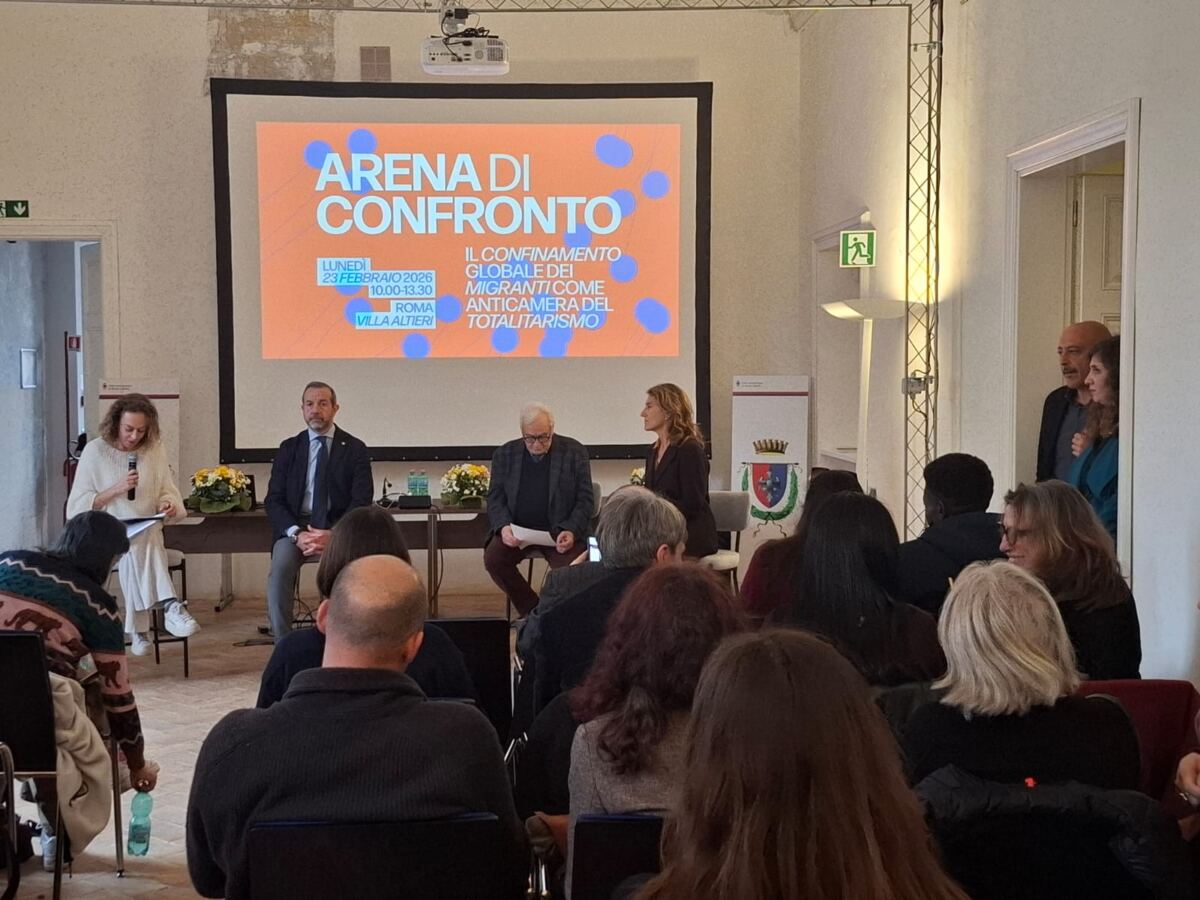
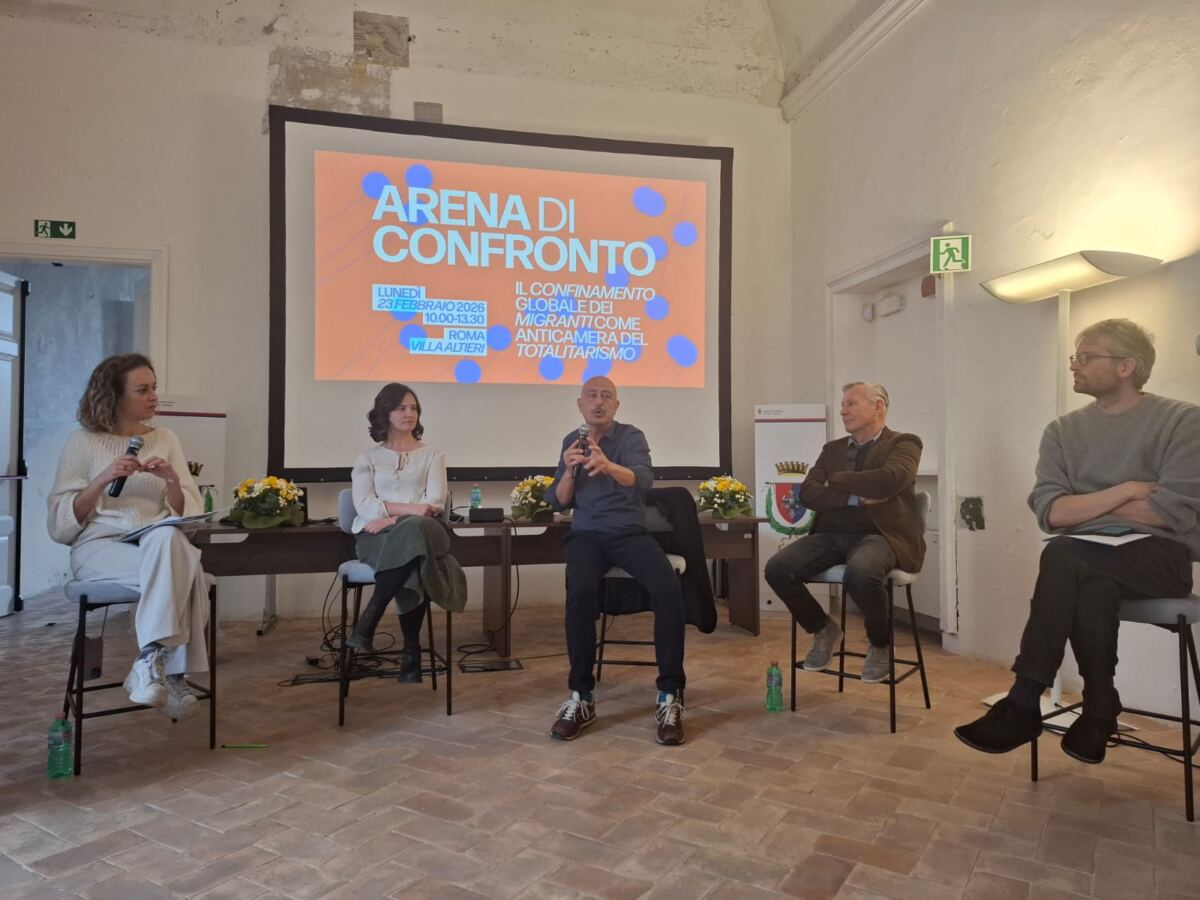
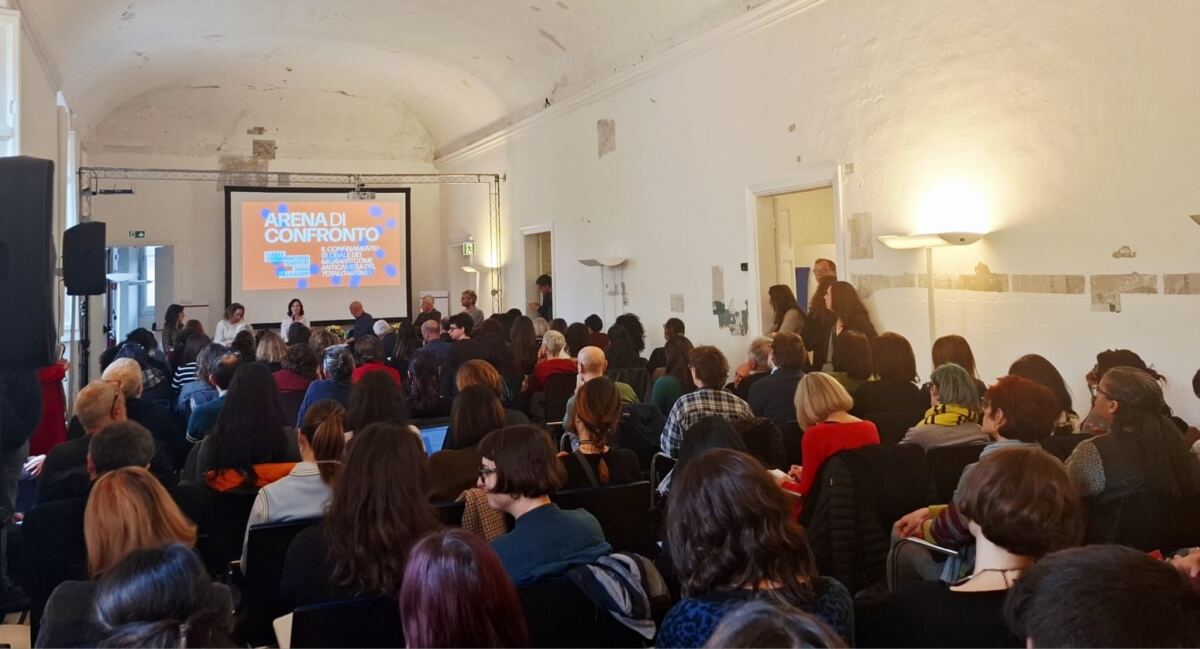
The event represented a moment of intense and shared reflection, from which a renewed awareness emerged with great force: judicial litigation is not merely a technical instrument, but an authentic form of participation and dialogue between institutions and civil society. It reflects deeply democratic dynamics and takes shape as a collective opportunity to strengthen and give life to Italian constitutional values. The contributions of the guests further consolidated this vision, highlighting a clear and determined willingness to promote stable coordination among the various actors of civil society. The objective is ambitious but necessary: to equip this instrument with the economic, political, and technical resources indispensable for it to play a genuinely incisive role in the current social context.
On the one hand, awareness is growing of the value and potential of litigation as a democratic space; on the other, a concrete commitment is taking shape to build networks — also at the organisational and financial level — in order to transform this awareness into shared, structured action.
“The challenge that we as the Charlemagne Foundation wish to put forward to other foundations,” stated Stefania Mancini, president of the Charlemagne Foundation, “is to challenge non-democracy even when it manifests itself in silent forms, when it encourages withdrawal, when it discourages investment in topics deemed uncomfortable, hard to communicate, or far from the headlines. This is where foundations come into play: their role is not to step back, but to go against the current. They must exercise their own distinctive freedom — the freedom to experiment, not randomly, but with vision, method, and programmatic responsibility — to engage even those unfamiliar with these issues and to make visible what already exists: legal tools and concrete pathways capable of restoring dignity to people.”
“We are living a historical moment in which we are witnessing an attack on democracy through the creation of a legal framework centred on the deprivation of liberty, accompanied by a devastating assault on the right to a defence,” stated Lorenzo Trucco, president of ASGI. He went on expressing the need of the lawyers who form the association “to fully understand the scope of these new rules in order to inform civil society and put in place judicial defence tools. Only by making legal knowledge available to all and working together towards a common objective can different horizons be opened.”
What changes with the new rules
The European Pact on Migration and Asylum will enter into force in June 2026. The immigration bill presented by the Government begins the process of adapting the Italian legal system to a framework that profoundly alters the handling of international protection applications.
The new regulatory framework:
extends border and accelerated procedures
drastically reduces the time limits for examining applications and for challenging decisions
allows decisions to be issued within a few days, with the possibility of immediate removal from the reception system
broadens the grounds for inadmissibility, including in relation to transfer to a “safe third country”
strengthens the discretionary powers of public administration
renders the full exercise of the right to a defence and the obtaining of an effective judicial decision virtually impossible in practice
adds up to 24 weeks to administrative detention times, already set at a maximum of 18 months, facilitating detention scenarios lacking timely judicial oversight
introduces zones of legal exception through the systematic use of the “fiction of non-entry,” i.e. the classification of certain areas of Italian territory as if they did not form part of it, making them potentially subject to derogatory legal regimes that are difficult to challenge
According to ASGI, a mechanism of systematic administrative detention is being institutionalised: no longer the exception, but the rule. Detention could take place not only in Italian border zones, but also in centres located outside national territory.
The strategy for resistance
ASGI, for several years and with progressively more effective interventions, has promoted strategic and collective litigation with the ever-greater involvement of civil-society actors. After the adoption of the Pact, the challenge and commitment of ASGI and of the whole of civil society grows, as they place their trust in the principles of the Italian Constitution, primary European law, and international law, reinforcing instruments such as:
- The preliminary reference for validity: Italian judges applying the new regulations and directives could ask the Court of Justice to assess their compatibility with primary EU law (EU Treaties, CEAS, EU Charter of Fundamental Rights, general principles such as proportionality, legal certainty, effectiveness of the right to a defence, and good administration).
- Access to constitutional review: an instrument for raising the question of counter-limits at the national level and interrogating the Constitutional Court on the potential conflict between secondary EU legislation and respect for constitutional principles.
ASGI therefore calls upon institutions and civil society for active mobilisation to protect fundamental rights and guarantee the effectiveness of international protection, opposing the normalisation of exceptional procedures and the progressive hollowing out of constitutional principles.
Video from the Public Forum for Debate
Watch the full video and three extracts from the Forum.